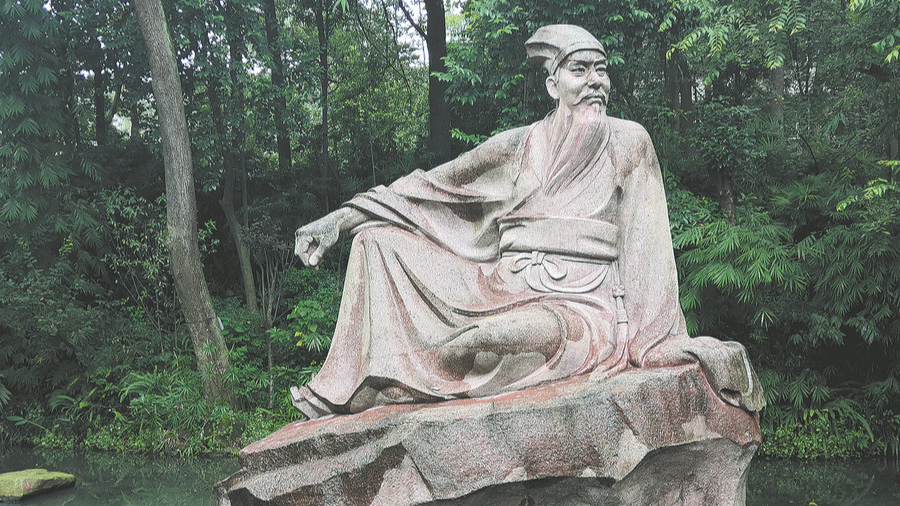
Su Shi
Introduction
Su Shi (1037-1101), also known as Su Dongpo, was a renowned Chinese poet, writer, calligrapher, painter, and gastronome of the Northern Song Dynasty (960-1127). As one of the most influential figures in Chinese classic literature, Su Shi's works and life story continue to inspire scholars and enthusiasts globally. His contributions to poetry and prose, along with his enduring philosophical and artistic ideas, have made him a cultural icon in Chinese history.
Early Life and Education
Su Shi was born in Meishan, Sichuan province, to a scholarly family. His father, Su Xun, was a well-known writer, and his younger brother, Su Zhe, also became a celebrated literary figure. The family, often referred to as the "Three Sus," left an indelible mark on Chinese literature and culture. Su Shi's education was rigorous, with a focus on Confucian classics, which shaped his literary style and philosophical outlook.
Literary Achievements
Su Shi is celebrated for his mastery of ci-poetry, a type of lyrical poetry that became popular during the Song Dynasty. His ci-poems are known for their emotional depth and exploration of themes such as the passage of time, nature, and the human condition. Notable works include "Prelude to Water Melody" and "Red Cliff," which reflect his philosophical insights and have been praised for their artistic brilliance.
His prose works, such as "Odes on the Red Cliffs," showcase his narrative skills and are considered masterpieces of Chinese literature. Su Shi's essays often delve into topics of governance, ethics, and the philosophy of life, reflecting his broad intellectual interests and his engagement with political issues of his time.
Calligraphy and Painting
Apart from being a literary giant, Su Shi was also a skilled calligrapher and painter. His calligraphic works, such as "Han Shi Tie," are admired for their dynamic and expressive style, embodying the principle of yi (self-expression) that became a hallmark of Song calligraphy. His approach to painting, often described as literati painting, emphasized personal expression over realistic representation, influencing subsequent generations of Chinese artists.
Political Career and Exile
Su Shi's political career was marked by both achievement and adversity. He held various governmental positions, but his outspoken nature and involvement in political factions led to several exiles, most notably to Huangzhou and Hainan Island. These periods of exile, rather than diminishing his spirit, enriched his creative output and philosophical reflections. His time in Huangzhou, in particular, was a period of profound personal and artistic development.
Philosophy and Influence
Su Shi's philosophical outlook was deeply influenced by Confucianism, Buddhism, and Taoism, leading to a unique blend of ideas that emphasized resilience, self-reflection, and the pursuit of harmony. He advocated for personal integrity and the importance of staying true to oneself in the face of adversity. His writings encourage a balance between engagement with the world and inner peace, a message that resonates with readers to this day.
Gastronomy and Cultural Impact
Su Shi was also known for his culinary skills and contributions to Chinese gastronomy. He is credited with creating "Dongpo Pork," a dish that remains popular in Chinese cuisine. His interest in food was not merely gastronomic; he believed in the relationship between diet and health, and his writings on food reflect his broader cultural and philosophical concerns.








